A strong image rarely depends on dramatic effects. More often, it succeeds because nothing distracts from what matters. A clean background, balanced lighting, and the absence of unnecessary elements allow the subject to hold attention without effort. When those small details are ignored, the image may still function, but it loses clarity.
Background and object cleanup have become quiet standards in modern visual workflows. Whether the image appears on Instagram, a product page, or inside a presentation, viewers react quickly to visual noise. They may not consciously identify the problem, yet clutter reduces confidence.
The Subtle Influence of Background Clarity
Backgrounds shape perception more than most people expect. A cluttered scene divides attention. Extra objects, uneven textures, or unrelated elements compete with the subject. Even when the main focus remains visible, the overall message weakens.
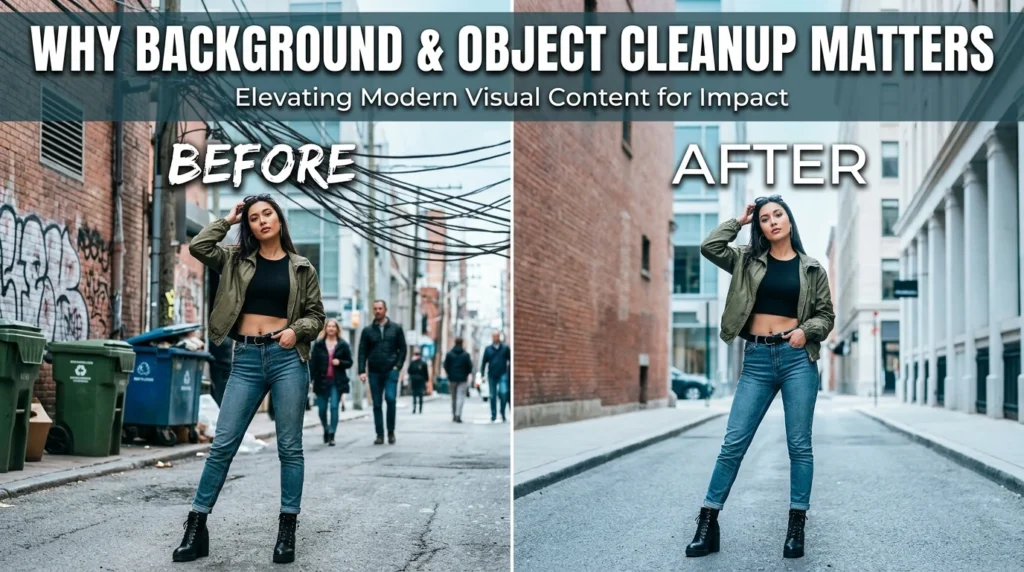
This is why many creators and businesses now prioritize the ability to clean image backgrounds before publishing. The adjustment does not need to be dramatic. Sometimes it means removing a small distraction. In other cases, it involves simplifying the environment so the subject stands out naturally.
The difference becomes clear when comparing two versions of the same photo. One feels busy, the other composed. The content has not changed, yet the cleaner version communicates more directly.
Object Cleanup and Visual Focus
Object removal serves a similar purpose. A stray item on a table, a passerby in a travel photo, or leftover elements from a staging setup can quietly pull attention away from the intended focal point. Removing those details restores balance.
In ecommerce, this can influence product perception. An item presented against a distraction-free setting appears more deliberate. In social media posts, subtle cleanup helps maintain consistency across a feed. In corporate presentations, refined images support a more professional tone.
Modern workflows often combine background refinement with object cleanup as part of a single process. Rather than editing reactively, teams incorporate cleanup early, ensuring images are ready for reuse across multiple platforms.
Consistency Across Platforms
Visual content rarely lives in one place. An image created for a website may later appear in an email campaign or as part of a social advertisement. Each context exposes different aspects of the photo. Small flaws become more noticeable when resized or repositioned.
Using an AI photo editor within this workflow allows teams to refine images before distribution. Instead of patching issues later, they adjust backgrounds, remove unwanted visual elements, and improve clarity at the source. Platforms such as Phototune reflect this shift toward integrated cleanup and enhancement as standard practice rather than occasional correction.
The benefit is not just aesthetic. Clean visuals adapt better to different layouts and formats. They maintain structure when cropped, resized, or layered with text.
From Correction to Preparation
There was a time when cleanup felt like repair work. Now it feels more like preparation. Visual content is planned with refinement in mind. Designers expect to adjust backgrounds. Marketers anticipate removing minor distractions. Creators routinely improve image quality before posting.
This approach builds long-term consistency. Images that are carefully refined once can be reused without repeated edits. The workflow becomes more efficient, and the final content feels intentional across every platform.
Background and object cleanup may not be dramatic changes, but they shape how visuals are received. By reducing distraction and strengthening focus, they allow the core message to stand without interference.