Energy security affects far more than convenience in everyday home life. When electricity is stable, many safety-related systems quietly work in the background without drawing attention. During a blackout, however, the loss of power can quickly affect health, security, and basic comfort. Understanding how electricity supports safety helps households prepare more effectively for unexpected disruptions. In this article, the role of energy security in protecting health, safety, and daily living is explained through practical, real-life examples that reflect common household situations.
1. Power Critical Health Equipment
Keep medical devices like oxygen machines running
Many homes rely on electrically powered medical devices that must operate continuously. Equipment such as oxygen machines, CPAP devices, and monitoring systems support daily health needs and cannot simply be switched off. Even a short interruption may cause discomfort or increase health risks for vulnerable individuals. solar generators portable solutions provide a reliable backup power option, ensuring these devices continue functioning without sudden shutdowns. This reliability also reduces stress for caregivers who need confidence that essential equipment will remain operational.
Preserve refrigerated medications and insulin
Some medications must be stored within a specific temperature range to remain effective. Insulin and certain biologic drugs depend on consistent refrigeration, which fails quickly during an outage. A power interruption that lasts several hours can spoil these medications, leading to waste and potential health consequences. Maintaining power to refrigerators protects both medical supplies and food safety. This preparation also avoids last-minute scrambles to relocate medications during emergencies.
2. Maintain Home Security Systems
Keep security cameras and alarms active
Modern home security systems depend heavily on electricity and internet connectivity. Cameras, alarms, and sensors provide constant monitoring that helps deter threats and alert occupants to danger. When power fails, these systems may stop working unless backup solutions are in place. This gap can leave homes temporarily unprotected during already stressful situations. Continuous power helps maintain a sense of normalcy and control even when external conditions are uncertain.
Ensure exterior lighting deters intruders
Outdoor lighting plays an important role in discouraging unwanted activity around a home. Darkness during an outage can create blind spots that increase vulnerability. Backup-powered lighting helps maintain visibility around entrances and pathways. Consistent exterior lighting supports both security and safe movement around the property. Well-lit surroundings also reduce the risk of trips or falls when navigating outside at night.
3. Prevent Health and Property Hazards
Power outages can introduce hidden risks beyond immediate discomfort. Without electricity, sump pumps may fail, increasing the risk of basement flooding during storms. Electric heating systems can shut down in cold weather, potentially leading to frozen pipes and costly damage. In warmer conditions, lack of ventilation can affect indoor air quality. Energy security helps reduce these secondary hazards by keeping critical systems operational before minor issues turn into major repairs.
4. Stay Connected During Emergencies
Power phones and emergency radios
Communication is essential during emergencies, and it depends heavily on charged devices. Phones allow contact with family members, caregivers, and emergency services when needed. Battery-powered or backup-powered radios provide access to information even when internet service is unavailable. Keeping these devices powered helps households respond calmly and effectively. Reliable communication also supports coordination with neighbors or local assistance when situations escalate.
Receive weather alerts and official updates
Timely information can prevent dangerous situations from escalating. Weather alerts and official updates guide decisions such as evacuation, sheltering, or conserving resources. Without power, access to these updates may be delayed or lost entirely. Maintaining electricity for communication devices ensures information flows uninterrupted. Staying informed allows households to act early rather than react under pressure.
5. Ensure Basic Comfort and Safety
Maintain heating in cold weather
Cold temperatures can quickly turn uncomfortable and unsafe when heating systems lose power. Prolonged exposure to low indoor temperatures increases health risks, especially for children and older adults. Backup power helps keep heating systems running or supports alternative electric heating methods. Maintaining warmth also protects plumbing and household infrastructure. A stable indoor temperature supports both physical health and emotional well-being during outages.
Run fans or AC during heatwaves
High temperatures can be equally dangerous during extended outages. Fans and air conditioning help regulate indoor heat and reduce the risk of heat-related illness. Without electricity, indoor temperatures can rise rapidly, especially in well-insulated homes. Backup power solutions allow cooling systems to operate during critical periods. Consistent airflow also improves comfort and sleep quality during long, hot nights.
Conclusion
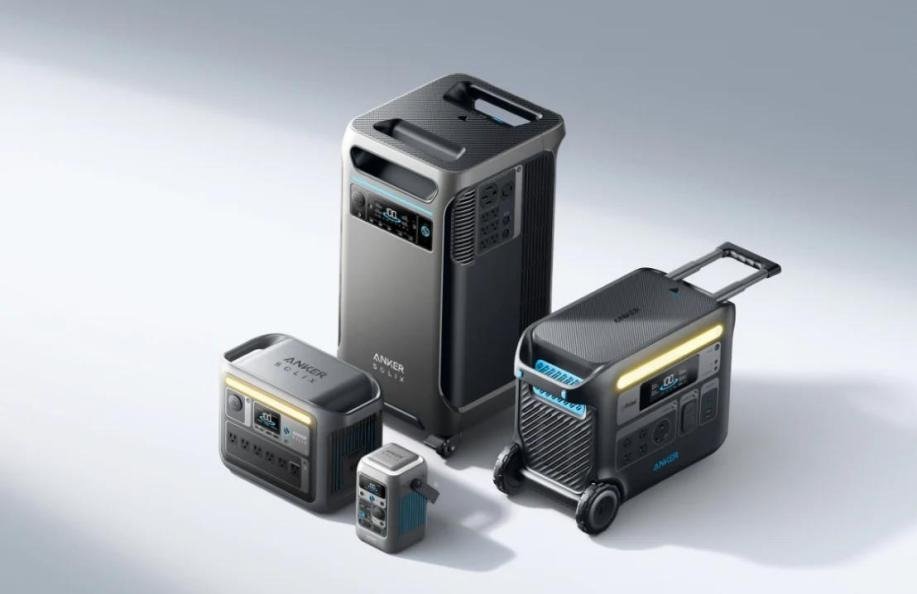
Energy security keeps a home safe and resilient—powering medical devices, security systems, and daily comforts. As a result, many households are proactively seeking reliable backup power solutions to keep essential devices running during outages. Among the available options, portable solar generators have gained popularity for their quiet, clean, and flexible operation. Products like the Anker SOLIX solar generators portable, for instance, provide stable power for common household devices, offer expandable energy storage, and can be recharged via solar panels—enabling families to extend power availability even through prolonged disruptions. Integrating energy preparedness into a home safety plan not only enhances everyday peace of mind but also fosters a more sustainable and resilient lifestyle in an ever-changing environment.