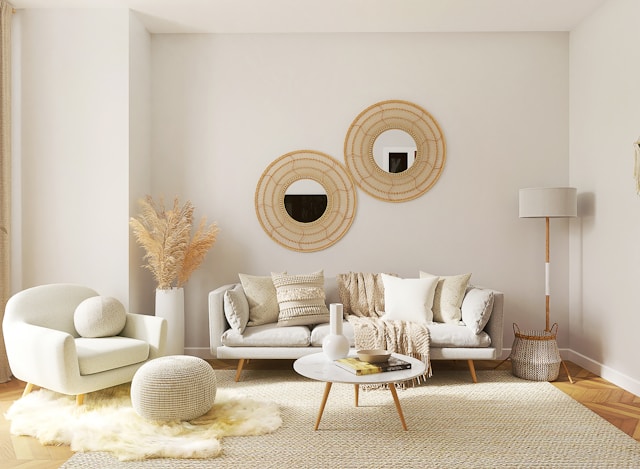
Buying furniture is rarely a purely aesthetic decision. For Rocklin homeowners, it often involves balancing space constraints, lifestyle needs, climate considerations, and long-term use. Yet even thoughtful buyers can make choices that don’t age well or fail to support how a home is actually used. Understanding the most common furniture buying mistakes can help homeowners avoid unnecessary expense, frustration, and redesigns down the road—a perspective long emphasized by retailers like RC Willey, who see firsthand how furniture performs in real homes.
From new developments to established neighborhoods, Rocklin homes share patterns that influence how furniture holds up and functions over time. Recognizing these patterns is the first step toward better, more informed decisions.
Mistake 1: Buying Furniture Before Understanding the Space
One of the most frequent mistakes is purchasing furniture without fully understanding room dimensions and layout limitations. Open floor plans, vaulted ceilings, and irregular wall lengths are common in Rocklin homes, particularly in newer construction. Furniture that looks proportional in a showroom may overwhelm a room once delivered.
Homeowners sometimes rely on rough measurements or visual estimates, which can lead to oversized sectionals, dining tables that restrict walkways, or bedroom furniture that crowds doors and windows. Measuring carefully and considering circulation space is essential, especially in rooms that serve multiple functions.
A well-furnished room should allow for movement, not just seating.
Mistake 2: Prioritizing Style Over Daily Use
Visual appeal often drives furniture purchases, but prioritizing style without considering daily habits can backfire. Light-colored upholstery in high-traffic family rooms, delicate finishes in homes with children or pets, or minimalist seating that lacks comfort are common examples.
Rocklin homeowners often host gatherings, work from home, or juggle busy family schedules. Furniture needs to support those routines. Pieces that look refined but feel impractical tend to be replaced sooner, negating any initial savings or aesthetic benefit.
Good design supports real life, not just first impressions.
Mistake 3: Ignoring Local Lifestyle and Climate Factors
While Rocklin enjoys a relatively mild climate, seasonal heat and dry conditions can affect furniture materials. Wood that isn’t properly finished may expand or contract, and low-quality upholstery can fade near windows with strong sun exposure.
Another overlooked factor is how often furniture transitions between indoor and semi-outdoor use. Homes with patios, sliding doors, or open living areas benefit from materials that handle frequent use and temperature variation.
Choosing furniture without considering these factors can lead to premature wear that feels avoidable in hindsight.
Mistake 4: Buying Sets Instead of Individual Pieces
Matching furniture sets can feel like a shortcut, especially for first-time homeowners. However, buying full sets often leads to rooms that feel rigid or poorly suited to the space. Identical proportions don’t always work across different room layouts, even within the same house.
Rocklin homes vary widely in room size and function. A sofa that fits the living room may not suit an adjacent sitting area, even if the styles match. Selecting individual pieces allows for better scale, flexibility, and long-term adaptability.
Cohesion doesn’t require uniformity.
Mistake 5: Overlooking Storage Needs
Storage is frequently underestimated during the furniture buying process. Coffee tables without drawers, beds without under-bed storage, or media units that don’t conceal cables can contribute to clutter over time.
This is particularly relevant in Rocklin homes where garages are often fully used and interior storage must work harder. Furniture that incorporates storage supports cleaner layouts and easier transitions as household needs change.
Ignoring storage often leads to additional purchases later, complicating the space further.
Mistake 6: Assuming One Room Has One Purpose
Many homeowners furnish rooms based on a single intended function, even when the space is likely to evolve. Guest rooms become offices, dining rooms double as workspaces, and bonus rooms shift roles as families grow.
Buying furniture that only works for one narrow use can limit flexibility. Desks that can’t adapt, seating that doesn’t move easily, or tables that lack extension options can make transitions harder than necessary.
Furniture that anticipates change tends to offer better long-term value.
Mistake 7: Skipping Comfort Testing
Online research is valuable, but skipping in-person comfort testing remains a common mistake. Chair height, seat depth, cushion firmness, and back support are difficult to judge from specifications alone.
Rocklin homeowners who spend significant time working from home or entertaining guests benefit from furniture that feels good over extended use. Comfort isn’t just subjective; it’s functional. A sofa that looks right but causes discomfort will see less use, regardless of its appearance.
Whenever possible, testing furniture in person helps avoid costly returns or replacements.
Mistake 8: Underestimating Delivery and Access Constraints
Some Rocklin neighborhoods feature narrow staircases, tight hallways, or limited delivery access. Buying large or rigid furniture without considering how it will enter the home can create unexpected challenges.
Modular designs, sectional components, or furniture with removable legs often navigate these constraints more easily. Failing to consider access can result in damaged walls, delays, or the need to exchange otherwise suitable furniture.
Logistics matter just as much as design.
Benefits of Avoiding These Mistakes
Avoiding common furniture buying mistakes leads to rooms that function better, age more gracefully, and require fewer adjustments over time. Thoughtful purchases reduce waste, save money, and support daily routines rather than working against them.
For homeowners planning to stay in their homes long term, these benefits compound. Furniture becomes an asset rather than a recurring problem.
Common Questions From Rocklin Buyers
Many homeowners wonder whether it’s better to buy fewer high-quality pieces or fill rooms quickly with budget options. In most cases, fewer well-chosen pieces provide better flexibility and satisfaction over time.
Another common question involves timing. Waiting until a room’s function is clear often leads to better decisions than furnishing immediately after moving in.
Making Better Furniture Decisions in Rocklin
Furniture buying doesn’t need to be overwhelming, but it does benefit from patience and planning. Understanding how a space will be used, how it may change, and how furniture interacts with daily life helps homeowners avoid regret.
Visiting a furniture store in Rocklin CA can offer valuable perspective, allowing buyers to see scale, test comfort, and compare materials in person. With experience serving a wide range of local homes, RC Willey provides context that can help Rocklin homeowners make more confident, informed furniture choices that stand the test of time.