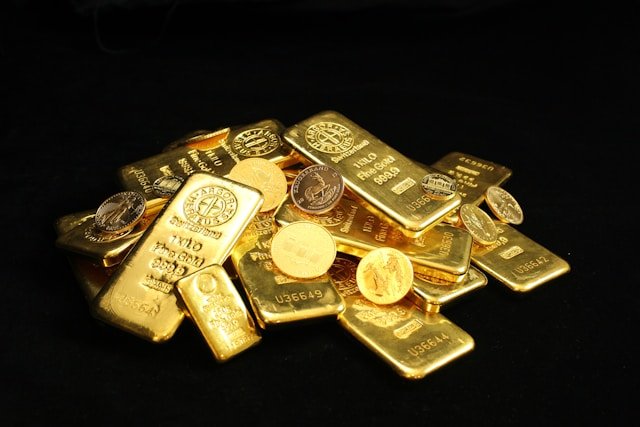
Gold has long held a unique place in India’s financial and cultural landscape. Beyond its traditional value, it is often seen as a store of wealth that responds to changing economic conditions. Over time, gold has been closely associated with inflation trends, making it a commonly referenced benchmark when analysing purchasing power and long-term value preservation.
Relationship Between Gold and Inflation
Gold is often discussed in the context of inflation because of its ability to retain value over time.
- Hedge against inflation: When inflation rises, currency purchasing power declines. Gold prices often adjust upward, reflecting changes in value.
- Store of value: Gold is not directly linked to a single economy or currency. This supports its role during periods of inflation or economic shifts.
- Historical trends: Over longer periods, gold prices have shown a tendency to move in line with or ahead of inflation trends. This reflects its response to changing economic conditions.
This relationship explains why many market observers track the gold rate during periods of rising inflation to understand broader economic trends.
Global Economic Factors Influencing Gold Prices
Gold prices are influenced by several global economic conditions that extend beyond domestic markets.
- Currency movements: Changes in major currencies, especially the US dollar, can impact gold prices globally. A stronger dollar may affect gold demand and pricing trends.
- Geopolitical events: Periods of global uncertainty or instability often lead to increased demand for gold. This can influence price movements.
- Interest rate environment: Lower interest rates may make gold relatively more attractive compared to interest-bearing assets. This can affect investment flows into gold.
Gold rate movements during 2026–2027 will largely depend on inflation trends, global economic shifts, and central bank policies, making it important for investors to stay updated with market forecasts.
Role of Central Banks and Monetary Policy
Central banks play an important role in influencing gold demand and price movements.
- Gold reserves: Central banks hold gold as part of their reserves. Changes in buying or selling activity can affect global supply and demand dynamics.
- Monetary policies: Expansionary policies increase liquidity in the economy. This can influence investment behaviour and, in turn, gold prices.
- Inflation control measures: Actions taken to manage inflation can impact currency value and interest rates. These changes may indirectly affect demand for gold.
These factors highlight the interconnected relationship between monetary systems and gold valuation.
Demand and Supply Dynamics in India
India is one of the largest consumers of gold, and domestic demand plays a key role in price trends.
- Cultural demand: Festivals and weddings contribute to steady demand for gold. This supports consistent buying patterns throughout the year.
- Import dependence: India relies heavily on imported gold. As a result, prices are sensitive to global supply conditions and international pricing trends.
- Seasonal trends: Demand tends to rise during specific periods such as festive seasons. This can influence short-term price movements in the market.
Changes in the 24 Karat gold price are closely linked to international market trends and economic conditions, so investors should monitor price movements carefully before making buying or selling decisions.
Comparison with Other Asset Classes
Gold is often compared with other financial assets to understand its role in a broader context.
- Equities vs gold: Equity markets are typically linked to earnings growth and economic expansion. Gold, in contrast, is often associated with value preservation during uncertain conditions.
- Fixed income vs gold: Fixed income instruments such as bonds provide periodic interest income. Gold does not generate regular returns and is primarily price-driven.
- Volatility patterns: Gold may respond differently to market conditions compared to equities or bonds. Its price behaviour can vary, especially during periods of economic or geopolitical uncertainty.
These comparisons help explain why gold is often used as a benchmark in discussions about inflation and purchasing power.
Long-Term Value and Market Behaviour
Over extended periods, gold has demonstrated consistent relevance in financial markets.
- Price resilience: Gold prices have historically shown the ability to recover after periods of decline. This reflects its response to changing market conditions over time.
- Diversification role: Gold often behaves differently from other asset classes. This can contribute to varied overall portfolio dynamics.
- Market perception: Investors and institutions commonly associate gold with stability during uncertain periods. This perception can influence demand and price trends.
The 24 karat gold price continues to reflect broader economic conditions, making it a widely observed indicator in financial markets.
Conclusion
Gold continues to play an important role in reflecting economic conditions, particularly inflation and global uncertainty. Its ability to maintain value over time, combined with its responsiveness to macroeconomic factors, explains why it is often used as a benchmark in financial discussions. While other asset classes may offer different characteristics, gold’s connection to inflation and global market trends ensures its continued relevance in understanding long-term value dynamics in India.