Nothing kills momentum in a machine shop faster than a tooling bottleneck. You’ve got skilled machinists ready to work, spindles tuned and waiting, and an eager client refreshing their inbox for a shipping confirmation. Instead, everything halts because a custom die is delayed, a tool path needs a complete redesign, or someone is waiting on raw material prep.
It’s easy to blame the floor when lead times start slipping, but the reality is that most delays don’t start at the CNC machine. They begin way upstream in design, procurement, and initial setup. Fix the friction early in the process, and you’ll watch your shop turnaround times drop drastically without burning out your crew.
1. Standardize Your Tooling Inputs Before Cutting Steel
Every custom tweak to a tool holder or die set adds lead time. When engineers design custom tooling from scratch without consulting standard shop inventories, they guarantee extra machining cycles and specialized setups.
By standardizing basic inputs—like die shoe dimensions, guide pin locations, and common pocket depths—you can jump straight into production. Your team spends less time programming raw tool paths and more time finishing high-precision features.
2. Run DFM Checks Before CAD Files Escape Engineering
Design for Manufacturability (DFM) isn’t just a corporate buzzword; it’s a massive time saver. Catching tight inside radiuses, deep narrow pockets, or awkward setups while a project is still a digital model prevents massive headaches on the floor.
When engineers collaborate directly with machinists during the preliminary design phase, you catch tool accessibility issues instantly. Modifying a digital draft takes two minutes. Fixing a snapped end mill and scrapping a half-finished tool steel block takes hours.
3. Smart Procurement and Stocking Realities
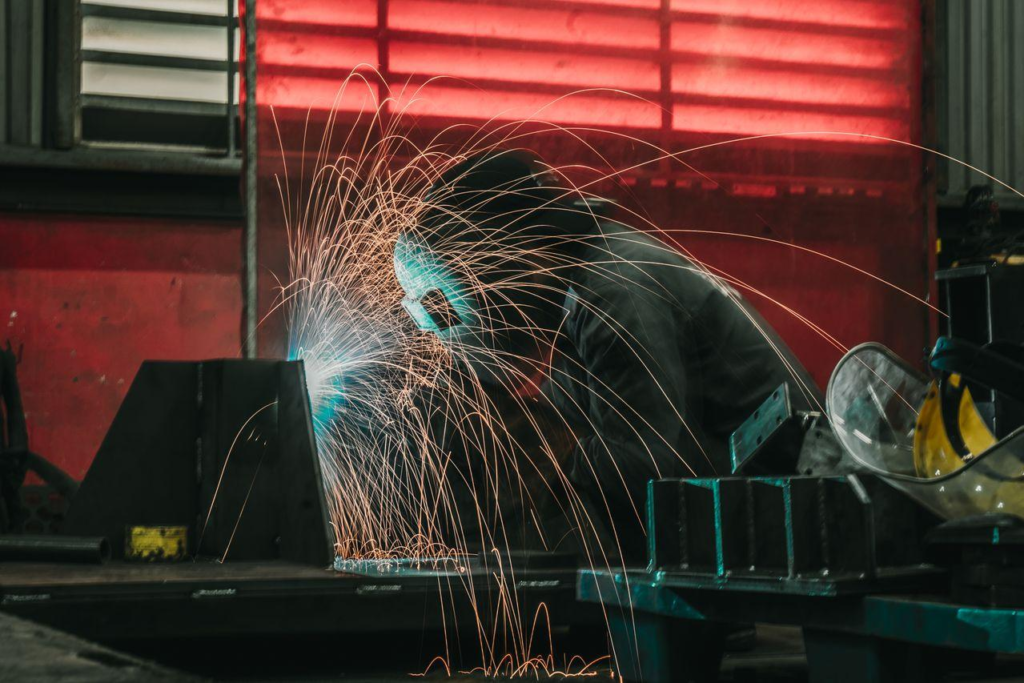
Waiting on specialty alloys, custom gas blends, or specific consumables breaks production momentum faster than almost anything else. If your shop relies on specialized welding for tool repair or fabrication assembly, running out of critical consumables or protective gear throws an immediate wrench into operations.
Work with reliable industrial partners who keep stock ready to move. Having access to a dependable regional gas and welding distributor—like Josef Gas, known for carrying top brands like ESAB and Lincoln Electric—ensures your shop floor stays fully stocked with essential equipment and supplies. Beyond raw materials, keeping your crew comfortable and safe with high-performance gear like miller welding helmets keeps fabricators focused and working without unnecessary physical fatigue interrupting the flow.
4. Bridge the Gap Between Design and Shop Budgeting
Bottlenecks also happen when projects hit financial or resource approval speedbumps mid-stream. If a shop needs a sudden tooling upgrade, a specialized attachment, or new tech to handle an upcoming contract, waiting weeks for capital outlay approval stalls the entire floor.
Modern shops keep things moving by organizing flexible funding mechanisms for equipment and tooling expansion. Whether you’re upgrading shop machinery or balancing cash flow for major material buys, looking into flexible private lending options through platforms like Lamina can give you the agility to acquire needed gear or scale up capacity right when a big job demands it. Fast access to resources keeps machine upgrades from clogging your operational pipeline.
5. Pre-Stage Tool Assemblies and Off-Line Setup
If your CNC operators spend forty-five minutes hunting down collets, measuring tool offsets, and setting up fixtures while the machine sits idle, you’re losing money. The actual machining should be the easiest part of the workflow.
Adopt an off-line staging process. Tool assemblies, cutters, fixtures, and raw stock ought to be prepped, measured, and kitted on a staging cart before the previous job even finishes on the spindle. When the machine stops, the operator simply swaps the kit, loads the pre-verified program, and hits cycle start.
The Upstream Advantage
Accelerating shop turnaround isn’t about telling your machinists to push buttons faster or run machines past their limits. It’s about clearing the track ahead of them. By catching design flaws early, streamlining your supply chain, keeping gear ready, and staging jobs off-line, you eliminate the friction that causes delays in the first place. Fix the upstream habits, and the fast turnarounds will take care of themselves.