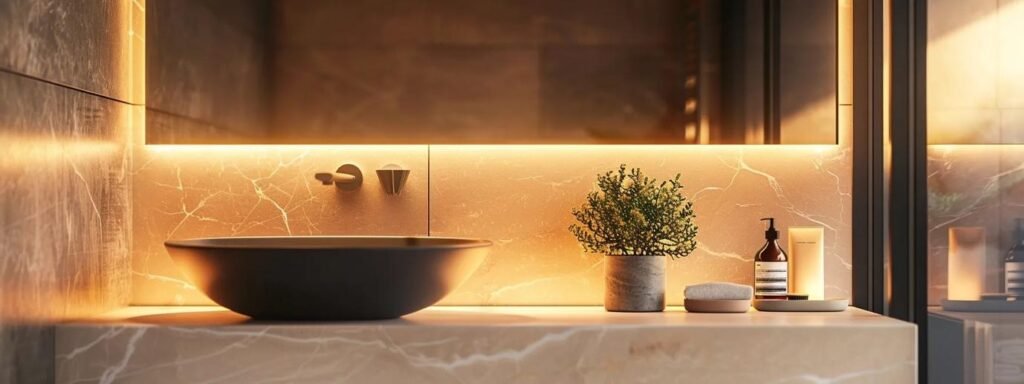
Choosing the right material for your bathroom can significantly impact both its aesthetics and functionality. Among the myriad of options available, cultured Marble and natural Marble are two popular choices that often lead to a debate among homeowners and designers alike. Both materials have their unique qualities, advantages, and drawbacks. This article delves into the specifics of each to help you make an informed decision for your bathroom renovation.
Cultured Marble: Characteristics and Composition
Cultured Marble is a man-made material composed of crushed Marble dust and resin, which is then molded into shapes like countertops and sinks. This composition allows it to be more versatile than natural stone when it comes to manufacturing custom designs. For instance, during the schematic design phase of a bathroom project, cultured Marble can be easily adapted to fit specific dimensions and aesthetic requirements.
One of the primary advantages of cultured Marble is its availability in a wide range of colors and patterns, thanks to the use of color theory in its creation. This makes it an ideal choice for those looking to complement existing FF&E (Furniture, Fixtures, and Equipment) in their bathrooms. Additionally, the seamless appearance of cultured Marble reduces the need for grouting, which can be a focal point in space planning and design.
The material’s surface is non-porous, making it more resistant to stains and mold compared to natural Marble. This characteristic is particularly beneficial in wet areas like bathrooms, where hardscape surfaces are constantly exposed to moisture.
Natural Marble: Unique Qualities and Aesthetic Appeal
Natural Marble has long been celebrated for its unparalleled beauty and timeless appeal. Each slab of natural Marble is unique, featuring distinct veining and patterns that add a touch of elegance to any bathroom. This uniqueness is often showcased in mood boards and CAD software renderings during the design phase to help visualize the end result.
Moreover, natural Marble’s LEED Certification potential makes it a sought-after option for eco-conscious homeowners. The stone’s natural origin and sustainability appeal to those looking to reduce their environmental footprint. It’s worth noting that natural Marble requires careful selection to ensure the best fit within the overall design aesthetic, often guided by as-built drawings and precise measurements.
However, the porous nature of natural Marble can make it more susceptible to staining and etching, which can be a concern in high-traffic bathroom areas. Despite this, the unmatched beauty of natural Marble continues to make it a preferred choice for many.
Cost Comparison: Cultured Marble vs Natural Marble
When planning a bathroom renovation, budget is a critical factor. Generally, cultured Marble tends to be more affordable than natural Marble. Its cost-effectiveness is due to the controlled manufacturing process and the use of less expensive materials. According to recent Forbes articles on bathroom trends, cultured Marble offers a budget-friendly alternative without sacrificing aesthetic appeal.
Natural Marble, on the other hand, is considered a luxury material. The costs associated with it can vary significantly based on the type, quality, and rarity of the stone. Investing in natural Marble can increase the overall value of your home, a factor often highlighted in space planning strategies. Additionally, the long-term benefits of natural Marble, such as its classic look and potential for increased property value, can justify the initial investment for many homeowners.
Maintenance and Durability: Which Material Lasts Longer?
Maintenance is a key consideration when choosing between cultured and natural Marble for your bathroom. Cultured Marble surfaces are easier to maintain, requiring only regular cleaning with mild soap and water. The non-porous surface helps prevent bacteria and mold growth, a crucial point when incorporating GFCI protection in bathroom designs.
Natural Marble, while stunning, demands more attention to maintain its pristine condition. It requires regular sealing to protect against moisture and staining. Despite these needs, natural Marble’s durability is well-regarded in the industry. It can withstand the test of time when properly maintained, a fact supported by Architectural Digest’s maintenance guides.
Ultimately, the decision between cultured and natural Marble may come down to personal preferences for aesthetics and willingness to commit to maintenance routines.
Conclusion

Both cultured Marble and natural Marble offer distinct advantages for bathroom applications. Cultured Marble provides versatility, cost-effectiveness, and ease of maintenance, making it a practical choice for many. In contrast, natural Marble delivers a unique aesthetic and timeless elegance that can enhance any bathroom design. Evaluating your priorities in terms of budget, upkeep, and style will guide you to the most suitable choice for your bathroom renovation. Whether you opt for the classic beauty of Marble or the adaptability of cultured Marble, both options can elevate the look and feel of your space, providing lasting value and satisfaction.