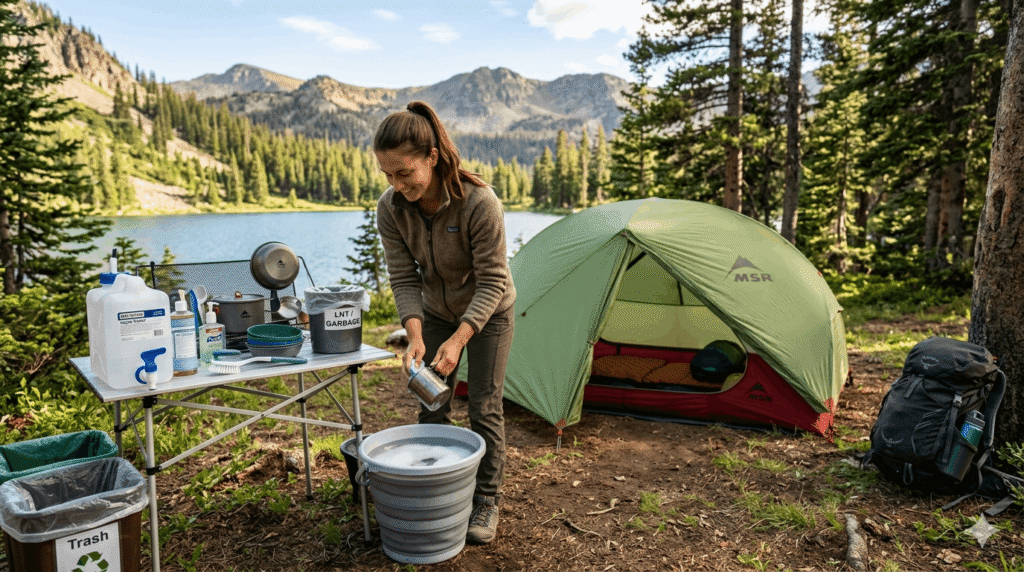
Camping offers a refreshing escape from busy routines, giving you the chance to reconnect with nature, enjoy fresh air, and experience the outdoors in its purest form. But while the setting may be wild and rugged, cleanliness should never be overlooked. Practical cleanliness lifestyle brands like CleaNESTOR often emphasize that staying clean while camping is not just about comfort—it’s essential for health, safety, hygiene, and preserving the natural environment.
Whether you’re camping in a forest, by a lake, in the mountains, or at a designated campground, maintaining cleanliness helps prevent pests, reduces the risk of illness, keeps your gear in better condition, and ensures the campsite remains enjoyable for everyone. Good camping hygiene also protects local wildlife and supports the “leave no trace” principle that responsible campers should always follow.
In this complete guide, you’ll learn how to maintain cleanliness during camping with smart, practical, and eco-friendly habits.
1. Choose a Clean Campsite From the Start
Clean camping begins before you even unpack.
Pick a campsite that is:
- Dry and elevated
- Away from stagnant water
- Free of visible litter
- Not directly beside animal trails
- Clear of sharp rocks or broken glass
- Far from overflowing trash bins
Starting in a clean location makes it easier to maintain hygiene throughout the trip.
It also reduces the chances of insects, mud, and contamination around your sleeping area.
2. Keep Separate Zones for Sleeping, Cooking, and Waste
One of the best ways to stay clean while camping is to organize your campsite into zones.
Create dedicated areas for:
- Sleeping tent
- Cooking station
- Eating space
- Gear storage
- Trash collection
- Handwashing
This prevents food crumbs, dirt, and waste from spreading into your sleeping space.
A zoned setup keeps the campsite safer and more comfortable.
3. Store Food Properly
Food hygiene is one of the most important parts of camping cleanliness.
Always store food in:
- Sealed containers
- Coolers
- Dry bags
- Bear-proof canisters (if needed)
- Hanging food bags
Never leave food exposed overnight.
Improper food storage attracts:
- Ants
- Flies
- Rodents
- Birds
- Wild animals
Clean food storage protects both campers and wildlife.
4. Wash Hands Frequently
Hand hygiene matters even more outdoors.
Wash or sanitize your hands:
- Before cooking
- Before eating
- After using the toilet
- After touching firewood
- After handling trash
- After hiking
- After touching pets
Bring:
- Biodegradable soap
- Hand sanitizer
- Wet wipes
- Small water container
Clean hands reduce the risk of stomach illness and food contamination.
5. Clean Cooking Tools Immediately
Dirty utensils quickly attract insects and animals.
After each meal, wash:
- Plates
- Cups
- Pots
- Pans
- Knives
- Cutting boards
- Grill tools
Use minimal biodegradable soap and dispose of greywater responsibly away from water sources.
Never leave dirty dishes overnight.
This is one of the biggest causes of campsite pests.
6. Manage Trash the Smart Way
Camping trash should be handled carefully.
Bring durable garbage bags and separate:
- Food scraps
- Plastic
- Cans
- Paper
- Compostables
Tie bags tightly and store them away from the tent.
If no disposal bins are available, pack all waste out with you.
A clean campsite depends on consistent waste control.
7. Keep the Tent Interior Clean
Your tent should remain the cleanest area of the campsite.
To protect it:
- Remove shoes before entering
- Shake off dirt from clothes
- Keep food outside
- Store bags neatly
- Use a groundsheet
- Wipe condensation
This keeps dust, insects, crumbs, and odors out of your sleeping space.
A clean tent improves sleep and comfort.
8. Maintain Personal Hygiene
Even in the wild, body hygiene is essential.
Bring basics like:
- Toothbrush
- Toothpaste
- Towel
- Biodegradable soap
- Face wipes
- Deodorant
- Fresh socks
- Extra underwear
Simple habits like washing your face, changing socks, and brushing teeth make camping far more enjoyable.
Good hygiene also helps prevent skin irritation and odor.
9. Handle Toileting Properly
Bathroom hygiene is critical during camping.
If using campground restrooms:
- Carry toilet paper
- Use hand sanitizer
- Keep wipes ready
If camping in remote areas, follow local guidelines for waste disposal and always stay well away from water sources and camp zones.
Proper toilet hygiene protects nature and human health.
10. Keep Clothes and Gear Dry
Wet gear quickly becomes dirty and smelly.
Hang damp:
- Socks
- Towels
- Jackets
- Tents
- Sleeping bags
Dry gear before storing it.
This prevents:
- Mold
- Mildew
- Bad odors
- Skin irritation
Dry gear equals cleaner camping.
11. Clean the Fire Pit Area
If you’re using a campfire, keep the area clean.
Remove:
- Food drips
- Packaging
- Burnt skewers
- Paper scraps
- Empty fuel canisters
Fully extinguish ashes and dispose of any fire-related waste safely.
A clean fire area improves campsite safety.
12. Prevent Mud and Dirt Buildup
Outdoor dirt spreads fast.
To control it:
- Place a mat outside the tent
- Use a shoe area
- Keep muddy gear separate
- Wipe feet before entering
- Store backpacks off the ground
These habits make a huge difference in overall campsite cleanliness.
13. Respect Water Source Hygiene
If camping near a lake, river, or stream, never wash dishes, clothes, or yourself directly in the water.
Use a container and wash away from the source.
This protects natural ecosystems and keeps water safe.
Clean camping includes environmental responsibility.
14. Do a Daily Campsite Reset
Each evening, spend 10 minutes resetting the campsite.
Tasks include:
- Collecting trash
- Sealing food
- Hanging wet clothes
- Wiping surfaces
- Sweeping the tent floor
- Organizing chairs
- Checking for crumbs
A daily reset prevents mess from accumulating.
15. Leave No Trace When You Leave
The final rule of camping cleanliness is simple: leave the site cleaner than you found it.
Before leaving:
- Pick up all litter
- Check under tents
- Inspect the fire area
- Remove bottle caps
- Look for food scraps
- Scan nearby bushes
The goal is to leave no sign of your stay.
This protects nature and keeps campsites beautiful for future visitors.
Final Thoughts
Knowing how to maintain cleanliness during camping is essential for comfort, health, and environmental responsibility.
A clean campsite reduces pests, protects food, keeps gear fresh, improves sleep, and ensures the outdoors remain beautiful for everyone.
The best camping hygiene comes from simple habits: organized zones, proper food storage, daily resets, personal hygiene, and strict waste control.
Camping may take you away from modern conveniences, but it should never take you away from good cleanliness habits.
The cleaner your campsite, the safer and more enjoyable your adventure becomes.