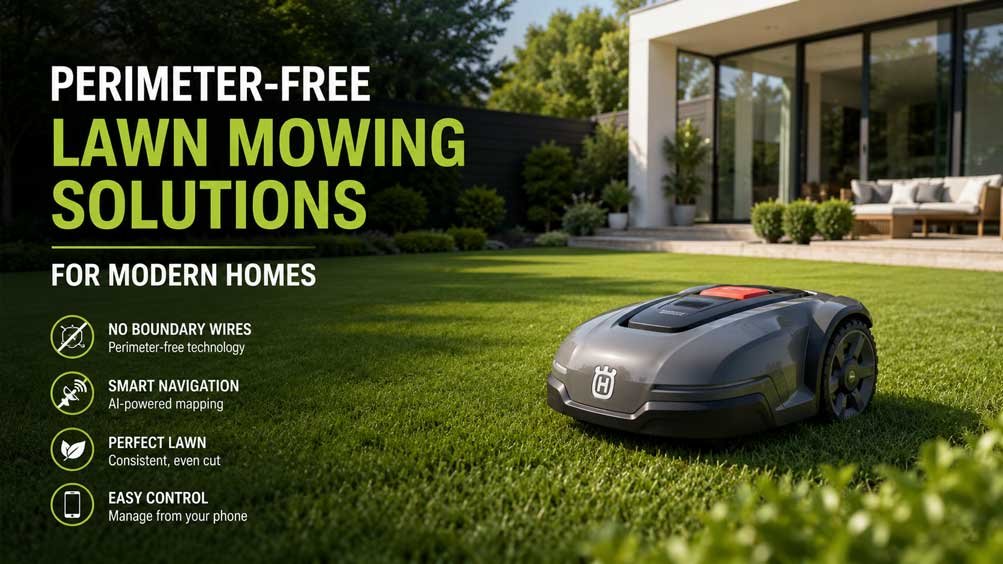
Perimeter-free lawn mowing solutions replace buried boundary wires with virtual mapping, satellite positioning, onboard sensors, and app-based controls. For homeowners, that means less installation work, fewer cable repairs, and a simpler way to manage complex lawns. These systems are designed to mow accurately while adapting to changing yard layouts, seasonal needs, and multiple grass zones. They also support a cleaner setup for modern homes where convenience, automation, and precise control matter. By removing the physical perimeter wire, wire-free robot mowers make lawn care more flexible, more scalable, and easier to maintain over time for busy households seeking dependable automated performance.
What Are Perimeter-Free Lawn Mowing Solutions?
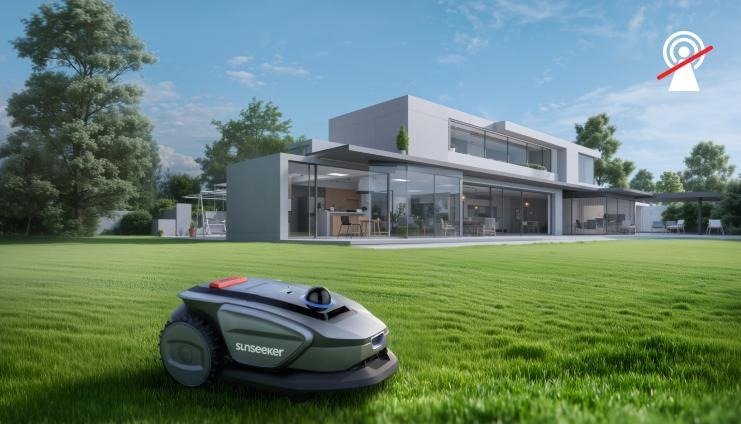
Perimeter-free lawn mowing solutions are robotic mowing systems that operate without a physical boundary wire installed around the lawn. Instead, they define mowing areas through technologies such as GPS, RTK positioning, cameras, AI vision, inertial sensors, and digital maps created in a companion app. The mower uses these tools to understand where it should cut, where it should stop, and how to move efficiently through the property. Virtual boundaries can be updated without digging or rewiring, which makes them especially useful for homes with garden beds, changing landscaping, separate lawn zones, or obstacles that need dynamic avoidance. For modern homeowners, this approach combines automation with more precise control over how the lawn is maintained.
How Do Perimeter-Free Mowing Systems Improve Lawn Care?
Perimeter-free mowing systems improve lawn care by making setup simpler, mowing patterns more efficient, and day-to-day use easier for homeowners. Instead of relying on a buried cable that can break or limit changes to the yard, these systems use virtual boundaries and intelligent navigation to maintain defined cutting areas with less manual intervention. They can handle multiple sections of a property, adapt to updated layouts, and follow more consistent routes for even coverage. Many also detect obstacles and avoid unnecessary contact with furniture, trees, or toys. The result is a cleaner-looking lawn, fewer interruptions, and a more convenient maintenance routine that fits busy schedules without sacrificing control, precision, reliability, or overall lawn quality.
Faster Setup, Easier Lawn Management, and Greater Flexibility
One of the biggest advantages of a perimeter-free mower is installation speed. Homeowners can map the lawn digitally instead of laying wire along edges, around flower beds, and through narrow passages. That saves time at the start and removes the hassle of repairing damaged cable later. Lawn management also becomes easier because virtual boundaries can be edited in the app whenever the yard changes. If you add a garden border, outdoor furniture, or a play area, you can update the mowing zone without digging. This flexibility makes wire-free mowing especially practical for modern homes where outdoor spaces evolve often and users want direct, convenient control over schedules, zones, and mowing priorities.
Smarter Navigation, Obstacle Avoidance, and Multi-Zone Control Features
Perimeter-free systems bring more intelligence to lawn care through planned routes, obstacle detection, and precise zone management. Rather than moving randomly, many models mow in organized paths that improve coverage and reduce missed patches. Sensors, cameras, and AI-assisted recognition help the mower detect objects and steer around them, which supports safer operation and less wear on both the machine and yard features. Multi-zone control is another major benefit. Homeowners can assign separate mowing areas, set custom schedules, and manage distinct sections such as front lawns, side strips, and backyard spaces from one interface. That level of control helps maintain a consistent cut across properties with more complex layouts and usage patterns.
Reduced Maintenance Requirements and Better Long-Term User Experience
Without a perimeter wire in the ground, there is no boundary cable to cut during aeration, landscaping, or seasonal yard work. That alone reduces one of the most common maintenance frustrations associated with automated mowing. Over time, the overall user experience also improves because virtual adjustments are faster than physical repairs. Many perimeter-free models support app notifications, remote scheduling, software updates, and fine-tuned cutting management that keep the system current and easier to control. Battery-powered operation further simplifies regular use by reducing hands-on effort. For homeowners who want dependable lawn automation with fewer interruptions, lower upkeep, and smoother long-term ownership, wire-free mowing offers a more practical and resilient solution overall.
Which Perimeter-Free Lawn Mowing Solution Is Right for Your Home?
The right perimeter-free lawn mowing solution is the one that matches your property size, layout complexity, and expectations for control. A compact, open lawn can work well with a simpler wire-free robot mower, while larger or more segmented yards benefit from stronger positioning accuracy, better zone management, and more advanced obstacle handling. Buyers should focus on how the mower maps boundaries, maintains consistent coverage, and handles slopes, edges, and narrow transitions. App usability also matters because scheduling, boundary edits, and zone adjustments happen there. Choosing well means looking beyond convenience alone and selecting a system built for the actual demands of your yard and routine.
Key Features to Compare When Choosing a Wire-Free Robot Mower
When comparing a wire-free robot mower, prioritize navigation accuracy, mapping method, obstacle detection, battery capacity, cutting width, slope capability, and app control quality. Reliable positioning is essential because it affects boundary precision and mowing consistency. Strong obstacle avoidance helps the mower operate smoothly around trees, toys, and outdoor furniture. Multi-zone support is important for homes with separate grass areas, while adjustable cutting heights and scheduling tools improve customization. Also check how the mower handles returns to the charging station and whether software updates are supported. If a product includes RTK guidance, AI vision, systematic mowing, and digital no-go zones, those features usually indicate a more capable and easier-to-manage perimeter-free solution.
Matching Lawn Size, Property Layout, and Terrain to the Right Solution
Choose a robot lawn mower without perimeter wire based on the actual shape and demands of your yard. Small, open lawns usually need straightforward virtual boundary control and dependable coverage. Medium and large properties often benefit from stronger positioning performance, longer runtime, and better multi-zone planning. If your home has separated lawn sections, narrow corridors, trees, or decorative beds, select a system that maps complex layouts accurately and lets you create no-go areas easily. Terrain matters too. Sloped sections require good traction and an appropriate climbing rating, while uneven ground calls for stable navigation and responsive obstacle handling. Matching these factors correctly leads to cleaner results, fewer interruptions, and better mowing efficiency.
Common Buying Mistakes and Tips for Maximizing Performance
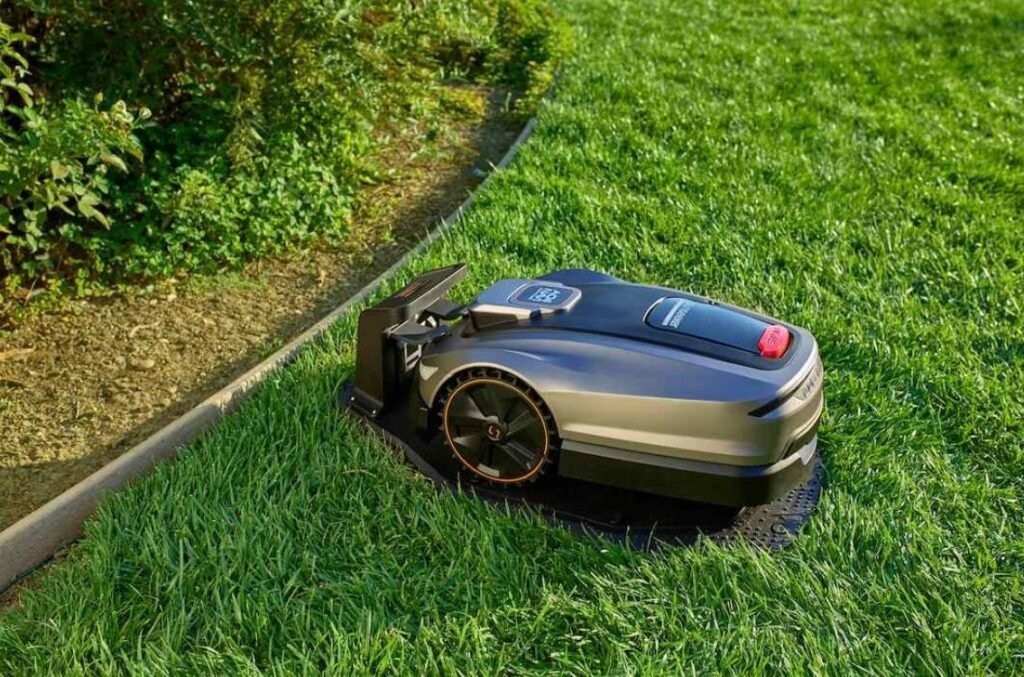
A common mistake is buying based only on price without checking whether the mower can handle the lawn’s size, slope, and complexity. Another is overlooking app quality, since boundary editing and schedule control depend on it. Some buyers also ignore positioning conditions, even though heavy tree cover, tight side yards, or dense structures can affect performance if the system is not designed for those spaces. To maximize results, map zones carefully, create clear no-go areas, keep the lawn free of small loose objects, and adjust mowing schedules to match grass growth. Regular cleaning, updated software, and correct charging station placement also help the mower maintain consistent, accurate operation throughout the season.
Conclusion
Perimeter-free lawn mowing solutions give modern homeowners a smarter way to maintain grass with less setup, less disruption, and more control. By replacing buried boundary wires with virtual mapping, intelligent navigation, and app-based management, these systems simplify installation and adapt more easily to changing outdoor spaces. They also improve coverage, support multi-zone mowing, and reduce long-term maintenance needs. For homes that value convenience and precision, wire-free robot mowers offer a practical upgrade over traditional boundary-based automation. The best choice is a model that fits your lawn’s size, layout, and terrain while delivering dependable navigation, flexible controls, and a smooth ownership experience from season to season.