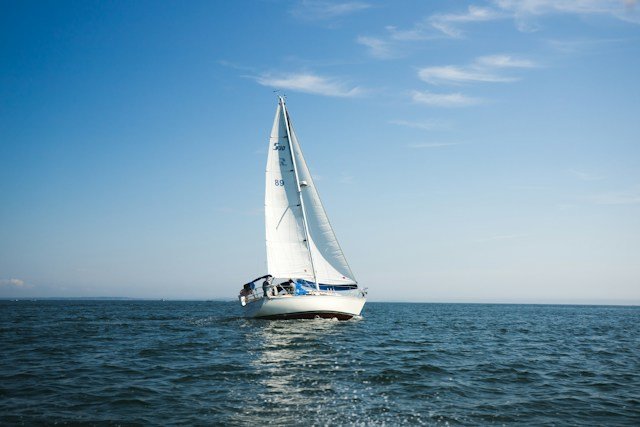
In Palma, a visiting yacht might need an electronics specialist before it leaves for another island. In Galicia, a local owner may be looking for weather protection and a dependable place to store a boat over winter. On the Costa del Sol, a marina may be preparing for another wave of summer arrivals. These are different customers in different waters, yet all contribute to Spain’s distinctive boating economy.
The interesting story is not simply that Spain has attractive beaches. It is how geography, year round communities, visiting crews and a network of marine businesses create overlapping markets for equipment and services.
One Country, Several Boating Cultures
Spain’s Mediterranean shore draws recreational traffic interested in coastal passages, island trips and sheltered summer anchorages. The Atlantic coast brings different weather considerations and sailing traditions. The Balearic Islands are closely associated with cruising and charter activity, while the Canary Islands attract vessels undertaking longer passages. Treating all these areas as one market conceals what owners actually need.
A boat operating between short, warm weather stops may prioritize shade, reliable anchoring gear and everyday comfort. A vessel preparing for a longer Atlantic passage has other priorities, including dependable navigation equipment, storage security and the condition of critical systems. Marine retailers and workshops must understand the difference rather than assuming every customer is shopping from the same checklist.
Coastal identity shapes purchasing
Regional boating habits also affect when people buy. A marina serving visiting crews may experience sudden demand for a specific fitting, whereas a yard handling local boats can plan work over winter. Those patterns influence stock choices, staffing and the services businesses decide to provide.
Marinas Do More Than Rent Space
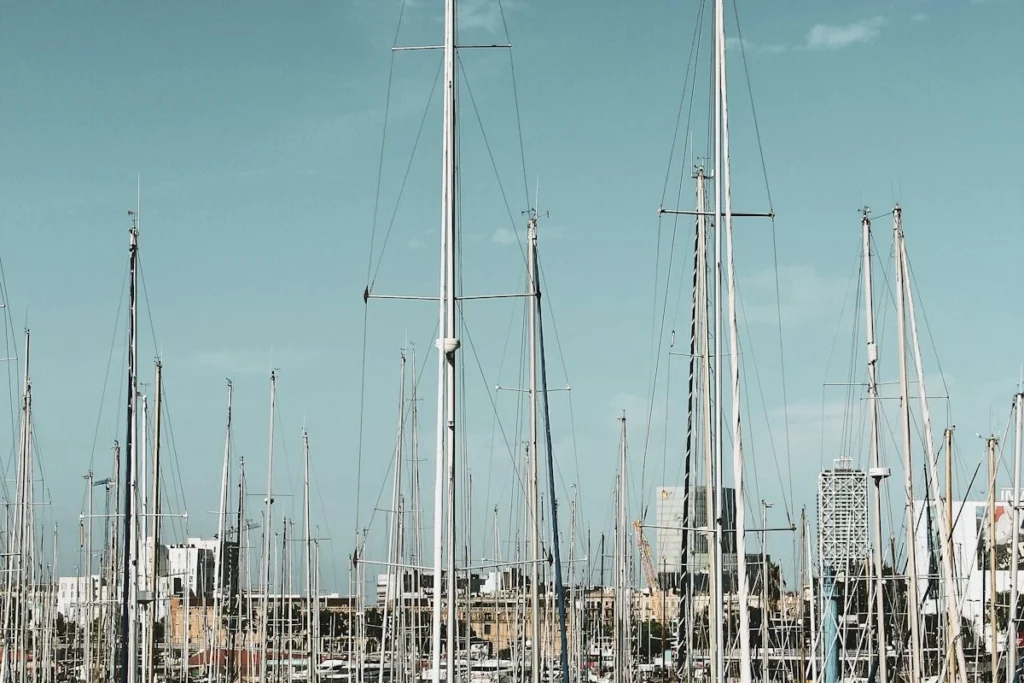
A marina is a gateway to an entire cluster of services. Fuel suppliers, riggers, painters, electricians, engine specialists, cleaners and storage companies may all depend on vessels using nearby berths. A boat owner notices the mooring fee first, but many other transactions occur before departure.
This ecosystem helps explain why boating supports local economic activity well beyond new boat sales. Even an owner who keeps the same vessel for fifteen years will need maintenance, replacement components and occasional technical assistance. Visiting crews add another layer because they may arrive without established relationships with local service providers.
European Boats Bring European Expectations
Owners arriving from other countries often recognize specific equipment brands or already have detailed lists of replacement parts. They still need to check compatibility, language, delivery times and whether the correct version is available nearby. Familiarity with a product name is helpful, but it cannot replace a model reference or accurate dimensions.
For a crew coordinating maintenance across different destinations, Nova Argonautica EU can enter the equipment research process alongside manufacturer documentation. Practical questions remain essential: Will the part fit the current installation? Is there enough time before departure? Can the package reach the marina office when someone is there to receive it?
These details explain why online access and traditional marine expertise complement each other. A digital catalog broadens the search; a qualified installer determines whether the proposed component meets the demands of the actual boat.
Spain’s Climate Creates Continuing Work
Sunshine draws visitors, but strong sunlight and salt exposure place demands on boats left outside for long periods. Hatch seals, upholstery, plastic fittings and cable insulation all deserve inspection. Warm water conditions can also make underwater hull maintenance a recurring concern. The work does not stop when the main cruising season ends.
Owners based in Spain may consider Nova Argonautica ES when sourcing marine equipment for these local conditions. That connection makes sense only when the buyer selects products based on the vessel’s specifications and the risks of its berth or cruising area, rather than buying an accessory simply because it is marketed for Mediterranean use.
Atlantic conditions tell another story
It would be misleading to describe every Spanish harbor as hot and calm. Atlantic facing coastlines require careful attention to local forecasts, sea state and exposure. A maintenance plan prepared for a sheltered Mediterranean berth may overlook concerns that matter farther west or north. Local knowledge remains important, even for experienced crews.
A Seasonal Business Needs Permanent Skills
Marine businesses cannot hire technical expertise only when a holiday crowd arrives. A skilled electrician or engine technician needs training, tools and familiarity with the systems being repaired. Workshops also require access to accurate information and parts, especially when customers need a repair completed before a scheduled journey.
In this professional setting, Nova Argonautica B2B is relevant to conversations about supply for repair yards, marine shops and other trade buyers. Their challenges differ from those of individual owners: orders may cover several boats, repeated references must remain consistent, and a missing inexpensive fitting can disrupt an expensive workshop schedule.
The most resilient businesses use quieter periods to inspect tools, organize inventory and prepare for expected demand. They also know which specialist tasks should be referred elsewhere. Trying to provide every possible service is not always better than maintaining reliable partnerships.
Why the Market Continues to Matter
Spain combines regional diversity, domestic ownership, visiting European boats, island routes and established marine services. None of those factors alone tells the complete story. Together they create different reasons for people to maintain, upgrade, store and repair vessels throughout the year.
For boat owners, the lesson is to match equipment and service decisions to the particular coast and voyage. For marine businesses, it is to recognize that the customer in the next berth may have a very different problem from the last. That variety is what makes Spain’s boating market worth understanding.