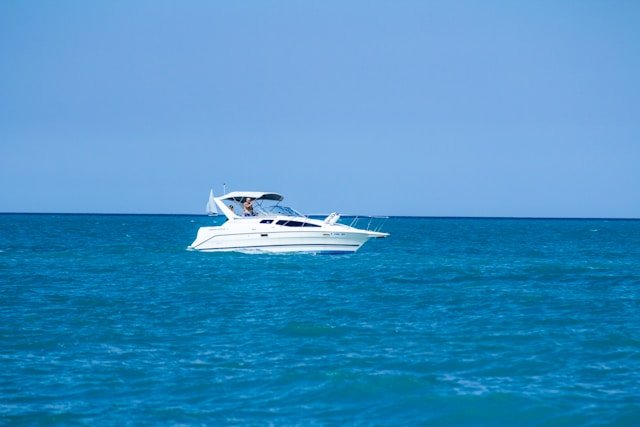
Anchoring looks simple from shore, but doing it well requires judgment. The anchor itself is only one part of the system. Depth, seabed type, wind, current, available space, and the amount of line you deploy all affect whether the boat stays where you expect it to. A secure anchorage gives everyone time to swim, eat, sleep, or wait for weather without constantly worrying about the vessel drifting.
Start by Choosing the Right Spot
Before lowering anything, study the area. Check charted depths and hazards, then look at nearby boats to understand how they are lying to the wind or current. Avoid channels, underwater cables, restricted areas, and places where the boat could swing into rocks or shallow water.
Remember that the boat will not remain directly above the anchor. It swings around the point where the anchor is set. Leave enough room for that movement, especially if the wind is expected to change during your stay.
Understand What Is Below You
Different bottoms hold anchors differently. Sand and firm mud are often favorable because a suitable anchor can dig into them. Weed, rock, very soft mud, and uneven bottoms can be more difficult. Your chart, depth sounder, local knowledge, and visual observation in clear water can help identify what lies below.
The anchor should also suit the boat and expected conditions. When preparing for cruising, inspect the relevant marine parts in the anchoring system, including shackles, swivels, chain, rope, and attachment points. A strong anchor offers little security if another component in the system is damaged or badly worn.
Approach Slowly
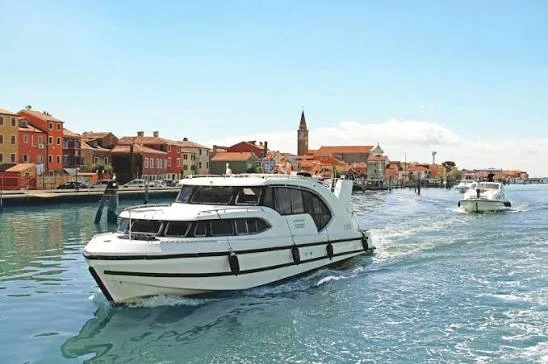
Motor toward the chosen position at low speed. Consider wind and current before deciding exactly where to lower the anchor. The goal is to place it where the boat can move backward naturally while the ride is paid out.
Do not throw the anchor or a pile of line overboard. Lower the anchor under control until it reaches the bottom. Then allow the boat to move back slowly while releasing the rode so it lies in an orderly direction rather than falling into a heap.
Keep Hands and Feet Clear
Anchor lines and chains can move suddenly under load. Keep hands, feet, clothing, and loose objects away from moving rode and windlass components. One person should control the operation while another handles the helm when possible. Clear communication prevents rushed movements.
Use Enough Scope
Scope describes the relationship between the amount of rode deployed and the vertical distance from the boat to the seabed. More scope generally allows the anchor to pull at a lower angle, helping it remain buried. The appropriate amount depends on the anchoring system, conditions, depth, tide, and available swinging room.
Do not consider water depth alone. Account for the height of the bow attachment point above the water and changes in tide. If conditions become stronger, additional scope may improve holding, provided there is enough space around the boat.
Set the Anchor Properly
Once sufficient rode is out, apply gentle reverse power to encourage the anchor to dig in. Increase the load gradually while watching fixed points on shore or the position shown by navigation equipment. A properly set anchor should hold the boat in a stable position rather than continuing to drag across the bottom.
Reliable boat equipment can make this easier to monitor. A chartplotter, depth sounder, wind information, or anchor alarm can provide useful confirmation, but technology should support observation rather than replace it. Look around regularly and understand what the boat is doing.
Anchoring in Calm Weather
Light conditions are ideal for practicing. Use the opportunity to learn how quickly your boat moves backward, how the rode behaves, and how much space the vessel needs when swinging. Calm weather can still include current, so do not assume the boat will point directly into the wind.
Even on a peaceful afternoon, set the anchor rather than simply dropping it and hoping it holds. Boats can drift quietly enough that the movement is not obvious until the shoreline looks unexpectedly different.
Anchoring in Strong Wind
Higher wind increases the load on the entire system. Choose a more protected location when possible and give yourself extra room. Set the anchor carefully and monitor it frequently. If the forecast suggests conditions beyond what the anchorage or your equipment can safely handle, moving earlier is usually wiser than waiting until departure becomes difficult.
Reduce unnecessary windage where practical. Secure loose covers and equipment, and make sure the deck is clear. Listen for changes in wind and pay attention to nearby vessels because another boat dragging can create a problem even if your own anchor is holding.
Anchoring Where Current Is Strong
Current can determine the direction the boat lies and can change as tides turn. Consider where the vessel may swing when the flow reverses. Boats in the same anchorage may respond differently depending on hull shape, draft, and wind exposure, so generous spacing is important.
When buying replacement anchoring gear in Spain, searches for tiendas nauticas may help owners compare suitable equipment before a trip. Regardless of where components are purchased, check that sizes, loads, and materials are appropriate for the vessel and compatible with the rest of the anchoring system.
Overnight Anchoring Requires More Care
An anchorage that feels comfortable during daylight can feel very different at night. Before sunset, confirm the anchor is holding, review the forecast, note nearby hazards, and set an anchor alarm if available. Make sure required anchor lighting is operating and visible.
If weather or traffic creates uncertainty, establish a watch routine. Sleeping well is important, but so is noticing a significant wind shift or unexpected movement before it becomes an emergency.
Recovering the Anchor
When leaving, motor slowly toward the anchor while taking in the rode. Avoid using the windlass to pull the entire boat against strong wind or current unless the system is designed for that load. Once the boat is nearly above the anchor, a controlled vertical pull will often free it.
Clean mud or debris from the anchor and rode before securing them. Make sure the anchor is locked in place so it cannot deploy accidentally while underway.
Good Anchoring Comes From Practice
No single technique fits every location. The safest approach combines suitable equipment with an understanding of the environment. Choose the anchorage carefully, use sufficient rode, set the anchor, and keep monitoring conditions.
With practice, anchoring becomes calm and predictable rather than stressful. The objective is not simply to get the anchor onto the seabed. It is to create a secure system that allows the boat and everyone aboard to remain safely in place as conditions change.