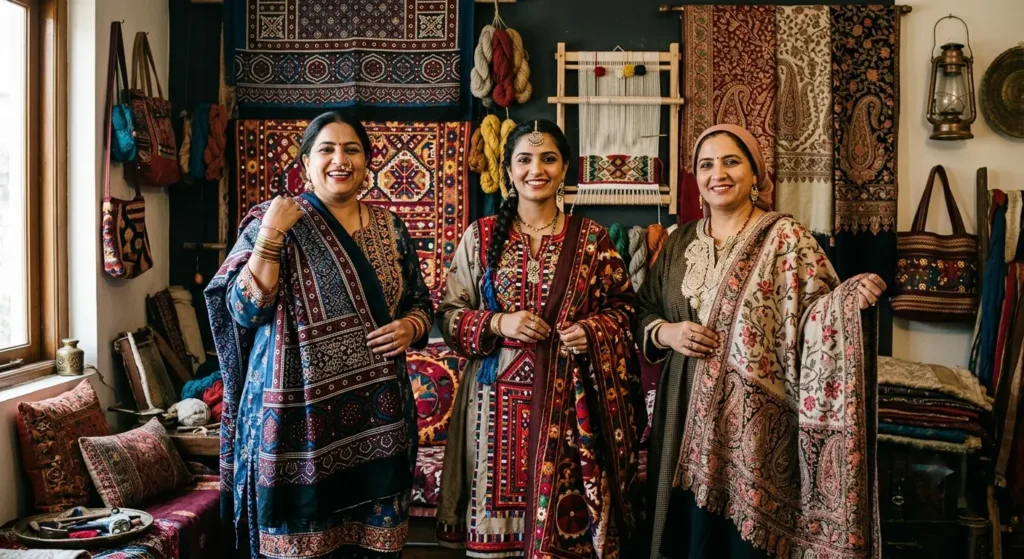
Long before the modern fashion existed, shawls have been more than just a piece of fabric in South Asia, they symbolize status, comfort, and cultural identity. Today, men’s wool shawls are among the most versatile and meaningful garments of men in Pakistan. Whether you’re braving a chilly winter morning in Lahore, celebrating at a wedding in Karachi, or enjoying a peaceful evening in the hills of Quetta, a well-crafted wool shawl for men beautifully blends tradition with everyday practicality.
In an era of trend driven apparel, the wool shawl truly stands out. It’s not just about keeping warm but it changes the whole personality of men exceptionally well. It’s about preserving a tradition that has been lovingly passed down through generations across Pakistan.
For many men, a wool shawl is more than just an accessory. It might be a cherished inheritance from a father or grandfather, a thoughtful gift received at a wedding, or a carefully chosen investment piece, meant to last for decades rather than just a season. Where synthetic fabric falls short, a genuine wool shawl only gets better with age, the fibers soften, the weave settles, and it becomes a unique personal item for the man who wears it.
The Three Great Weaving Traditions:
Pakistan boasts several distinct wool-weaving traditions, each with its own techniques, patterns, and regional flair. Among these, three traditions stand out as the most iconic for men.
Sindhi Wool Shawls
Sindhi shawls are celebrated for their striking geometric patterns and vibrant color combinations, often crafted with traditional handloom techniques that have been passed down through generations of Sindhi weavers. These shawls are typically thicker and well suited to men looking for style and warmth.
Balochi Wool Shawls
Balochi shawls are truly treasuring, known for their stunning hand-embroidery that showcases intricate motifs stitched right into the wool. When it comes to men’s Balochi shawls, you’ll often see rich, earthy colors like browns, maroons, and deep blues, mirroring the rugged beauty of Baluchistan’s landscapes. These shawls are generally heavier and warmer, and well suited for men who live in or travel through the chilly mountainous regions.
Kashmiri Wool Shawls
Kashmiri wool shawls, especially those crafted from pashmina, are perhaps the most famous on the global stage. They’re liked for their incredible softness, fine weave, and beautiful paisley patterns. For men, Kashmiri shawls strike a perfect balance between formal sophistication and everyday comfort, making them a favored option for weddings, formal events, and even business-casual winter outfits. The delicate nature of Kashmiri wool allows these shawls to be worn close to the skin without any discomfort.
Wool Shawls: A Fresh Take for the Modern Men
Today’s modern man in Pakistan is reinventing the way shawls are worn, moving beyond the styles of his grandfather and finding fresh ways to integrate them into his wardrobe.
A wool shawl paired with a kurta shalwar remains a timeless choice for winter formal events, weddings, and religious gatherings. Draping a neutral or deep-toned shawl over the shoulder can instantly elevate a simple kurta into something special for the occasion
Now men are layering wool shawls over blazers, denim jackets, or even casual sweaters, creating a stylish fusion that marries traditional heritage with modern fashion. This trend has become especially popular among younger men in urban areas like Islamabad and Lahore.
A quality wool shawl for men serves multiple purposes, it can be a cozy travel blanket, a protective layer against unpredictable weather, or even a makeshift cushion. This versatility makes it an indispensable item in any winter travel bag, whether you’re heading to the northern regions or just commuting on a chilly morning.
“Searching for the Ideal Wool Shawl: A Man’s Guide”
When you’re on the hunt for a men’s wool shawl, it’s important to know that not all shawls are made the same. Here are some key points to keep in mind to avoid a letdown with your purchase.
1: Fiber quality:
Look for genuine pashmina, merino, or lamb’s wool. These materials should feel soft and substantial, never scratchy or flimsy.
2: Weave density:
Hold the shawl up to the light. A well woven shawl will let very little light through and will maintain its shape better over time.
3: Consider the weight for your needs:
If you’re looking for warmth on chilly nights, go for a denser Balochi or Sindhi weave. But if you want something that works well both indoors and outdoors, a lighter Kashmiri weave might be just what you need.
4: Don’t forget about authenticity:
Many shawls labeled as “Kashmiri” or “Pashmina” are actually made from blends or synthetic materials. To ensure you’re getting the real deal, buy from artisans or trusted sources who can verify the shawl’s origin.
5: Care requirements:
Genuine wool shawls usually need dry cleaning or gentle hand washing. Knowing how to care for your shawl before you buy it will help keep it looking great for years to come. If you take good care of your wool shawl, it can last a lifetime or even longer. Store it folded (not hung, as that can stretch the fibers) in a breathable cotton bag instead of plastic, which can trap moisture. Keep it out of direct sunlight when you’re not using it, as too much exposure can fade those beautiful natural dyes. And when it comes to cleaning, always check if the shawl needs professional dry cleaning, especially for delicate Kashmiri weaves with intricate embroidery.
Wrapped up: A Tradition Worth Wearing:
Men’s wool shawls in Pakistan are so much more than just a seasonal accessory, they embody a rich tapestry of regional craftsmanship, family heritage, and individual flair. Whether you’re captivated by the vibrant patterns of Sindh, the rugged embroidery from Baluchistan, or the luxurious softness of Kashmir, there’s a shawl that perfectly matches every man’s style, climate, and occasion. As more men begin to appreciate the importance of investing in quality, handcrafted items instead of opting for throwaway fast fashion, the wool shawl is showing that some traditions aren’t merely surviving, “they’re flourishing”.